-

These New Floral Retreats Are the Bloom-Based Vacations of Your Dreams
Read more: These New Floral Retreats Are the Bloom-Based Vacations of Your DreamsFarmluxe’s 2026 rejuvenating trips visit some of the most stunning flower-focused destinations in the West.
-

This Iconic Hawaiian Restaurant Gets Reimagined with a New Chef
Chef Sheldon Simeon’s reimagining of a favorite Maui restaurant brings Top Chef flair to a community gathering place.
-

A School Garden Can Make a Big Difference—Here’s How to Start One
Create a school garden that can inspire learning, spark curiosity, and bring students together—one plant at a time.

-

These Are the Winners of the 2025 Sunset Travel Awards
From the coast to the mountains to the desert and beyond, the West is where travelers can live life to the fullest. Here are the most transporting experiences in this beautiful place we call home.



More From Sunset


-

Why California Is Still Worth Fighting For
Sunset’s chairman and publisher reflects on the wildfires.


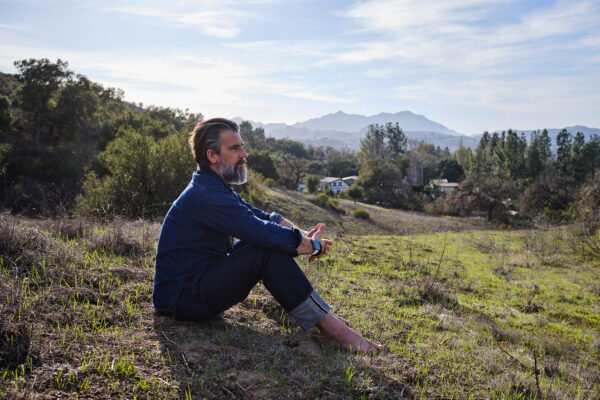
Thomas J. Story
“I promise you, I will never take anything for granted in this beautiful state ever again.”
–Thomas J. Story, Sunset Staff Photographer
-
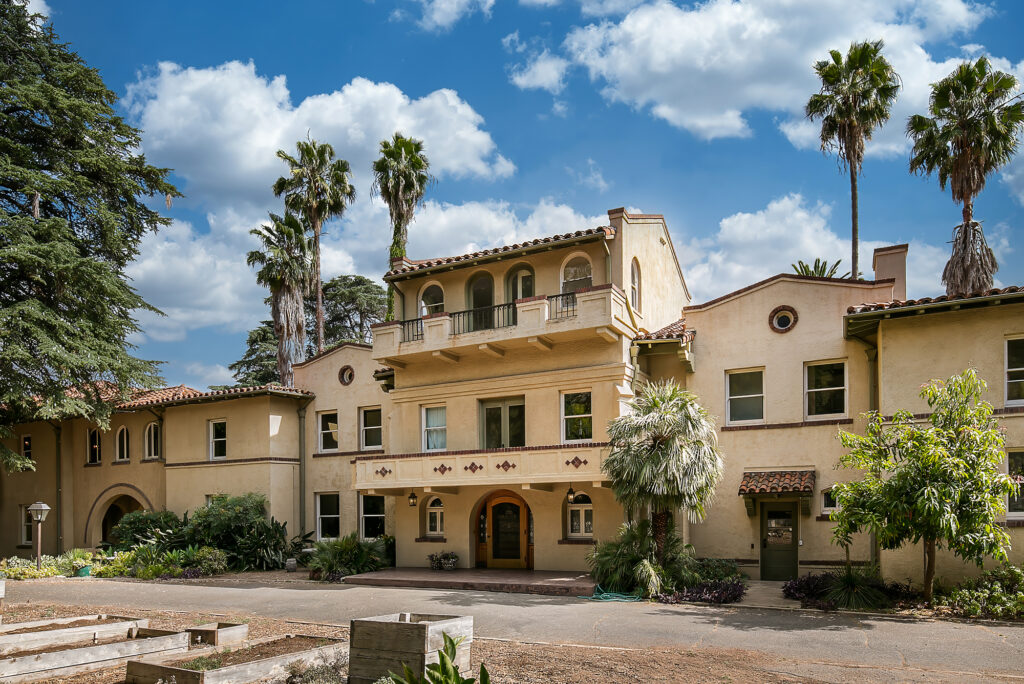
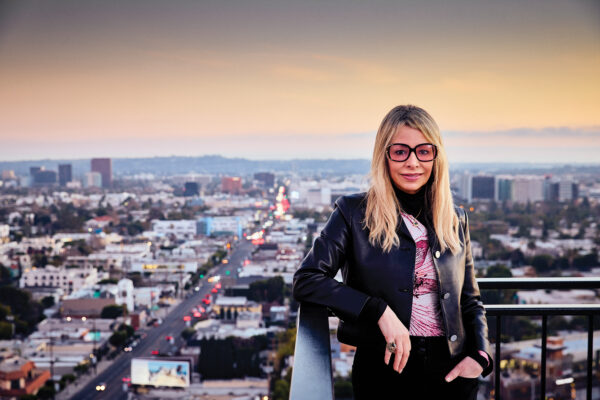
An 8-Point Plan for Preserving and Redefining L.A.’s Architectural Legacy
Jaime Rummerfield of Save Iconic Architecture on how to preserve the past and rebuild with culture integrity.